Real Estate
Flip It or Finish It?
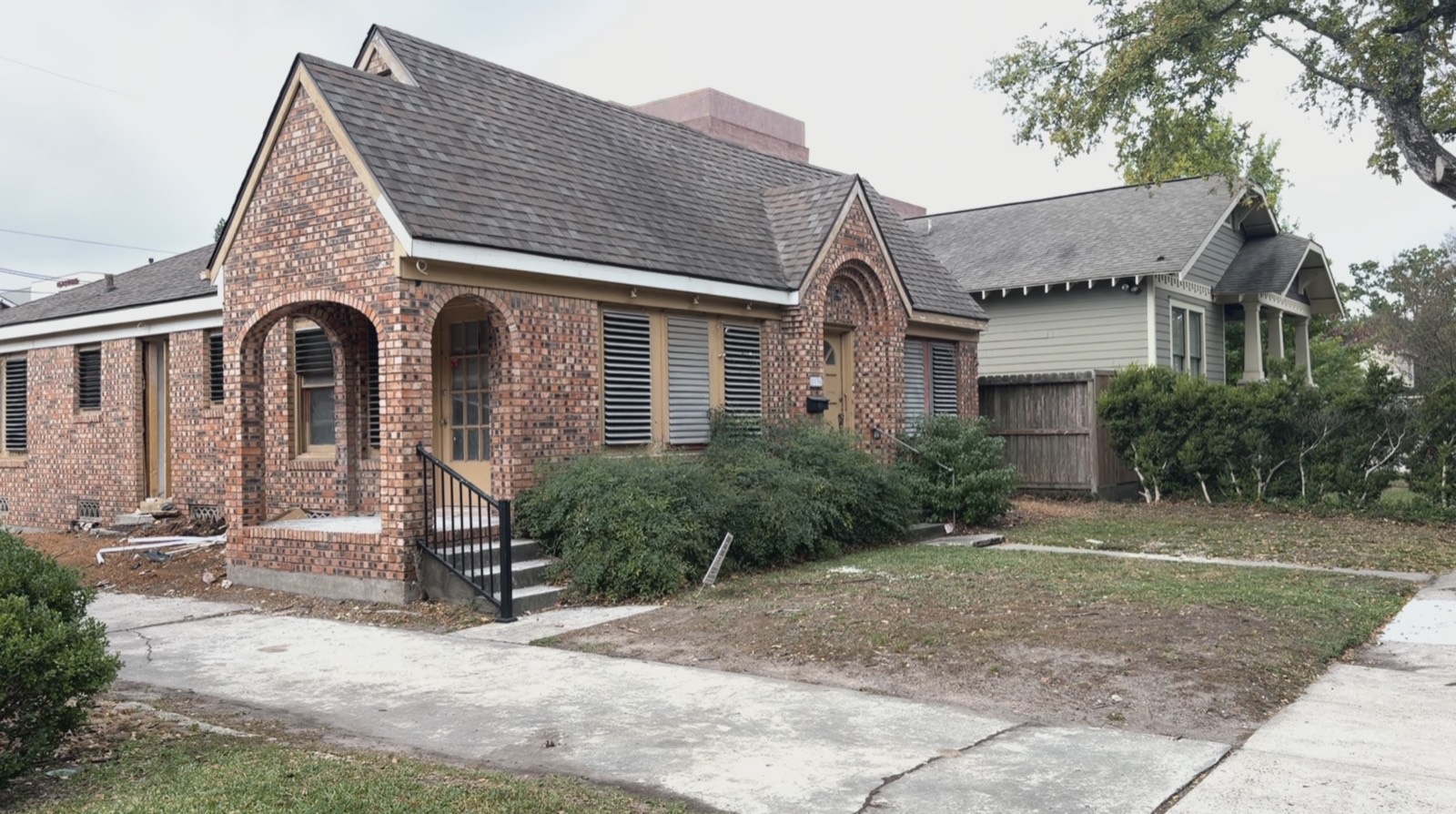
Before you sell a long-held house to an investor, find out what it would cost just to finish it. In the case I'm working on right now, that one question could be worth about $50,000 to the family.
You might remember the old show Love It or List It. A designer would come in, fix up a family's house, and make it beautiful. Then the big reveal. Some families said, "We love it, we're staying." Others said, "You did a great job, but it's still not for us," and they listed it.
Good TV. But what I keep running into, especially with people my age, is a different version of that story. Someone has lived in a house for 20 years. It looks 20 years old, maybe older, because it wasn't updated when they bought it and nothing's been done since. Or it's the parents' house: 40 years in, last touched in the '90s.
Now it's time to sell or move, and they don't know what to do. They find out the only offers coming in are investor lowballs.
On the show, the question was love it or list it. Here, they're leaving either way. The question is flip it or finish it: hand the house to an investor as-is and get out fast, or finish it yourself and keep the value. It's your house. You should get the most out of it.
Before you read on
It's time to sell a paid-off house nobody has touched in 20 years. What do you do?
(Vote to see the results.)
Why the investor offers come in so low
Investor offers are low because the math forces them to be, not because investors are bad people. We say "lowball" like it's an insult, but an investor has to cover the renovation, the agents, the holding time, and a profit, all out of the gap between your price and the finished price.
Here's the range I'm seeing in one neighborhood:
| Who's buying | What they offer |
|---|---|
| Hard-money / quick-flip investor | $110,000–$120,000 |
| Solid investor who is their own bank | $140,000–$150,000 |
| Retail buyer, house in good working condition (not updated) | $240,000–$250,000 |
| Retail buyer, fully updated house | Up to $290,000 |
Take the worst offer against the best finished price and that's a $170,000 spread. Nobody gets all of that. But some of it might be yours.
The numbers: a Northwest Houston case study
A full remodel only nets the seller about $40,000 more than a good investor offer, and it costs $90,000 to get there. That's the trade almost nobody runs before they decide.
The house belongs to a friend of mine. Northwest Houston, just outside the Beltway. Call it 1,600 square feet, 3 bed, 2 bath, 2-car attached garage. In this neighborhood, a fully remodeled version tops out around $290,000, and that might be the most expensive sale on the street, if it sells.
First, look at it the way a flipper does:
| Flipper's math | Amount |
|---|---|
| Buy price | $140,000 |
| Remodel | $90,000 |
| All-in cost | $230,000 |
| Sale price | $290,000 |
| Agents and closing (about 7%) | −$20,000 |
| Net from sale | $270,000 |
| Profit | $40,000 |
That's a couple of months of work, carrying costs, and risk. Most flippers want a cushion of 20% of the sale price, about $60,000 here. Back that out and you land around $120,000, which is why that's where most offers come in. $140,000 is the good one, from an investor who's their own bank.
Now put the homeowner in the flipper's shoes. If my friend did the full remodel herself, she'd spend $90,000 to walk away with roughly $180,000 instead of $140,000. You spend 90 to make 40. I don't love that. If the full remodel were the only option, I'd tell her to find the best investor and hope for 140.
The third option: don't remodel it, finish it
Spending about $35,000 to bring the house to good working condition puts roughly $190,000 in my friend's pocket, about $50,000 more than the best investor offer. Not modernized. Not renovated. Just finished, clean, and working.
Her house is already 80 to 90% of the way there. The AC was replaced about six years ago. The supply lines went to PVC about ten years ago. What's left is the stuff that never got finished: a floor redone without the transition piece, trim missing where the kitchen redo stalled, temporary fixes that were supposed to be temporary. And a lot of it is just emptying the house out and cleaning it.
Here's the working budget:
| Item | Estimate |
|---|---|
| New roof | $11,000 |
| New electrical panel | $4,000 |
| Drywall repair and paint (walls only) | $9,000 |
| Carpentry: trim, transitions, small finish work | $3,000–$5,000 |
| Faucets, hardware, deep clean, contingency | the rest |
| Working total | about $35,000 |
The painter quoted $13,000 if we also paint the kitchen cabinets. My advice: leave them wood, add new pulls, and save the $4,000. Dated cabinets and countertops don't matter if everything is clean and works.
Now the math on a $240,000 sale:
| Finish-it math | Amount |
|---|---|
| Sale price | $240,000 |
| Agents and closing (about 6%) | −$14,400 |
| Finish-out costs | −$35,000 |
| Seller walks away with | about $190,000 |
Spend 35 to make 50. That's roughly $1.40 back for every dollar in, over a few months. I like that a lot better than spending 90 to make 40.
It may get better. On a walkthrough we learned the house next door is listed at $270,000. One bathroom remodeled, everything else original, carpet throughout. Once my friend's place is finished, $260,000 isn't crazy. At that price she'd walk away with about $210,000.
| Path | Seller walks away with |
|---|---|
| Typical investor offer, as-is | about $120,000 |
| Best investor offer, as-is | about $140,000 |
| Full remodel, sold at $290,000 | about $180,000 (after spending $90,000) |
| Finish it, sold at $240,000 | about $190,000 |
| Finish it, sold at $260,000 | about $210,000 |
Fix it or sell it? The big-systems test
If the plumbing or the wiring needs replacing, sell to the investor. Those jobs mean opening walls or digging up the yard, and once you're doing that you're doing a remodel. If the big systems are sound, finishing usually pays.
Walk through it in this order:
- Water supply. Good pressure, no leaks, no history of problems? Check. Need a repipe? Hand it to the investor.
- Sewer and drains. Put a camera down the line. Clear and not busted, even if it's cast iron? Fine, keep moving. Cast iron is a real problem in a lot of Houston houses, and if the line needs replacing, that's easily a $25,000 dig out back. That kills the margin. Sell it.
- Electrical. An old panel is a $4,000 swap, no big deal. Wiring from the '70s, missing grounds, a full rewire? Investor.
- Air conditioning. Does it keep the house cool? No leaks, ducts not so moldy nobody wants to look at them? Check. Old parts can be replaced as they go.
- Roof. Usually a straight replacement you can price in a day.
If you made it through that list, the rest is finish work:
- Refinish scratched floors instead of replacing them
- Replace missing doors, trim, and anything the dog ate
- Patch, paint, and swap out tired faucets
- Deep clean everywhere
- Outside: take down a tree, lay some sod, mulch a corner, paint the front door
The goal isn't today's remodel. It's the remodel that should have happened 15 or 20 years ago and got skipped. Do that one, and get out.
It doesn't have to be new. It has to be finished.
Buyers and appraisers pay for finished, not fancy. Clean, gently worn, cohesive, and put together is the bar. You don't need new countertops, high-end fixtures, or all-new floors.
I learned this on my own house. An appraiser was coming over while a couple of rooms were still undone. In one closet I was swapping out a piece of flooring and hadn't gotten to it. I asked him to come back in two weeks, because I knew I wouldn't get credit for a finished closet with an unfinished floor. Same with my friend's missing trim: a temporary fix reads as unfinished, and unfinished costs you value.
There's also a difference between old and charming and old and disgusting. Some of that is taste. Mostly you know it when you see it.
And know your neighborhood. This isn't the Heights or River Oaks, where location alone drives the price. Buyers here aren't paying extra for EV chargers or designer finishes. That's exactly why the quick-flip investors working these streets offer so little: the margin is thin, and they know what a real remodel costs.
Run the numbers before you take the offer
If you've been in your house 20 years and haven't updated it, get the numbers before you sell as-is. The house is paid off. You put decades into it. You might as well get that value out instead of leaving the margin on the table.
- Ask your agent what updated, working-condition, and as-is homes are actually selling for nearby, and how fast.
- Ask a general contractor, or a few contractor friends, what it would take to get your house to good working condition. Not a remodel.
- Camera the drains and check the panel and wiring first. If either fails, you have your answer.
- Run rough math: sale price, minus about 6% to sell, minus the finish-out cost. Compare that to your best investor offer.
Do this before you list. Too many people refuse the low offers, put the house on the market as-is, get nothing but $120,000 offers, and end up biting the bullet anyway.
Who to call, and what not to forget
I don't know what your house looks like, so this isn't a to-do list. These are the areas worth a look, and the people who can tell you what it would take. Most of them will give you a free estimate. Try to get three bids for each.
- Your agent, first. You need real numbers for as-is, working-condition, and updated houses on your street.
- A plumber with a sewer camera. This one may cost a couple hundred dollars. It's worth it, because the drain line decides whether this plan works at all.
- An electrician. For the panel and the wiring. Ask whether the work needs a permit.
- A roofer. Usually a straight replacement you can price in a day.
- An HVAC tech. Does the system cool, does it leak, and what shape are the ducts in?
- A painter and drywall crew. Ask for walls only, and price the cabinets separately so you can decide.
- A carpenter or handyman. Trim, transitions, doors, and whatever the dog ate.
- A flooring pro. Ask whether refinishing would do before you price replacing.
- Junk removal or a dumpster. Twenty years of stuff has to go somewhere.
- A cleaning crew for after the trades are done, and someone for the yard.
Then sit down with your agent and decide which of those are actually worth doing.
Or hire a general contractor
Ask friends who've had work done and were happy with their GC, and call that person. A good GC usually adds around 20% on top, but they line up the right people, run the job, and take responsibility for all of the work. Doing it yourself saves the markup and lets you pick your own subs. You also carry the responsibility.
Either way, don't pay it all up front. Pay in draws: set amounts at milestones you agree on, in writing, before the work starts. My painter won't take a dollar for labor until the job is done and we've walked it together. I order the paint, he picks it up, and I give him a little cash for basic supplies. That's him. Everybody's different.
Things people forget:
- Get every quote in writing.
- Keep the utilities on. The trades need power and water, and so do showings.
- Keep your receipts and invoices. Buyers and appraisers like seeing what was done.
- Take photos before and after.
- Finish everything before the appraiser and the listing photos. Unfinished costs you value.
Need names? I'm building a list of Houston trades I've used and trust at CALL HTX. And if you know someone that good, point them to the CALL HTX waitlist. I'd like to work with them, and they might belong on the list.
It's my friend's decision in the end, and this is where the numbers sit today. I'll come back and tell you what they decided, what it really cost, and what it sold for.
FAQ
Should I sell my house as-is or fix it up first?
Check the big systems first. If the plumbing, sewer line, or wiring needs replacing, sell as-is to an investor, because those jobs turn into a remodel. If the big systems are sound, finishing the house usually pays. In the Houston case in this article, about $35,000 of finish work puts roughly $50,000 more in the seller's pocket than the best investor offer.
How much do investors pay for houses?
Less than retail, because they work backward from the finished price. They subtract the renovation, the selling costs, the holding time, and their profit. In the Northwest Houston case in this article, a fully updated house tops out around $290,000, and investor offers came in between $110,000 and $150,000.
Is it worth renovating a house before selling?
A full remodel often isn't. In this case it costs $90,000 to net about $40,000 more than a good investor offer. Finishing the house is different: about $35,000 to bring it to good working condition nets about $50,000 more. Finished, not fancy, is what buyers and appraisers pay for.
What should I fix before selling my house?
The things that make it look unfinished or broken: missing trim and transitions, damaged drywall, tired paint, dated faucets and hardware, scratched floors that can be refinished, and an old electrical panel or roof. Then deep clean it and tidy the yard.
What shouldn't I fix before selling?
In most neighborhoods, skip new countertops, high-end fixtures, all-new floors, and painting the kitchen cabinets. Buyers in a neighborhood like this one aren't paying extra for designer finishes. Spend on finished and working, not new.
Can you sell a house as-is in Texas?
Yes. As-is means you won't make repairs for the buyer. You generally still have to disclose the problems you know about, so ask your agent which disclosures apply to your sale.
The numbers here are one house in one Houston neighborhood, as of October 2026. Yours will be different. Owen Conflenti is a licensed Texas real estate sales agent (TREC #835823) with Real Broker, LLC (TREC #9003138). Have a house that needs work? Book a free walkthrough →