On-Camera Coaching & Executive Communications
The Best Communicators Don't Wing It — They Have a System
There's a myth that won't die: the best communicators are just naturally gifted. They walk into a room, grab a mic, and the words come out polished and compelling without effort. They're just built that way.
That's not true. I've been in live television for twenty years doing on-camera work and media coaching. I've watched good communicators up close, worked alongside them, and tried to become one myself. The people who look the most natural on camera are almost always the ones who prepared the most. What looks effortless is usually the product of a very deliberate communication system.
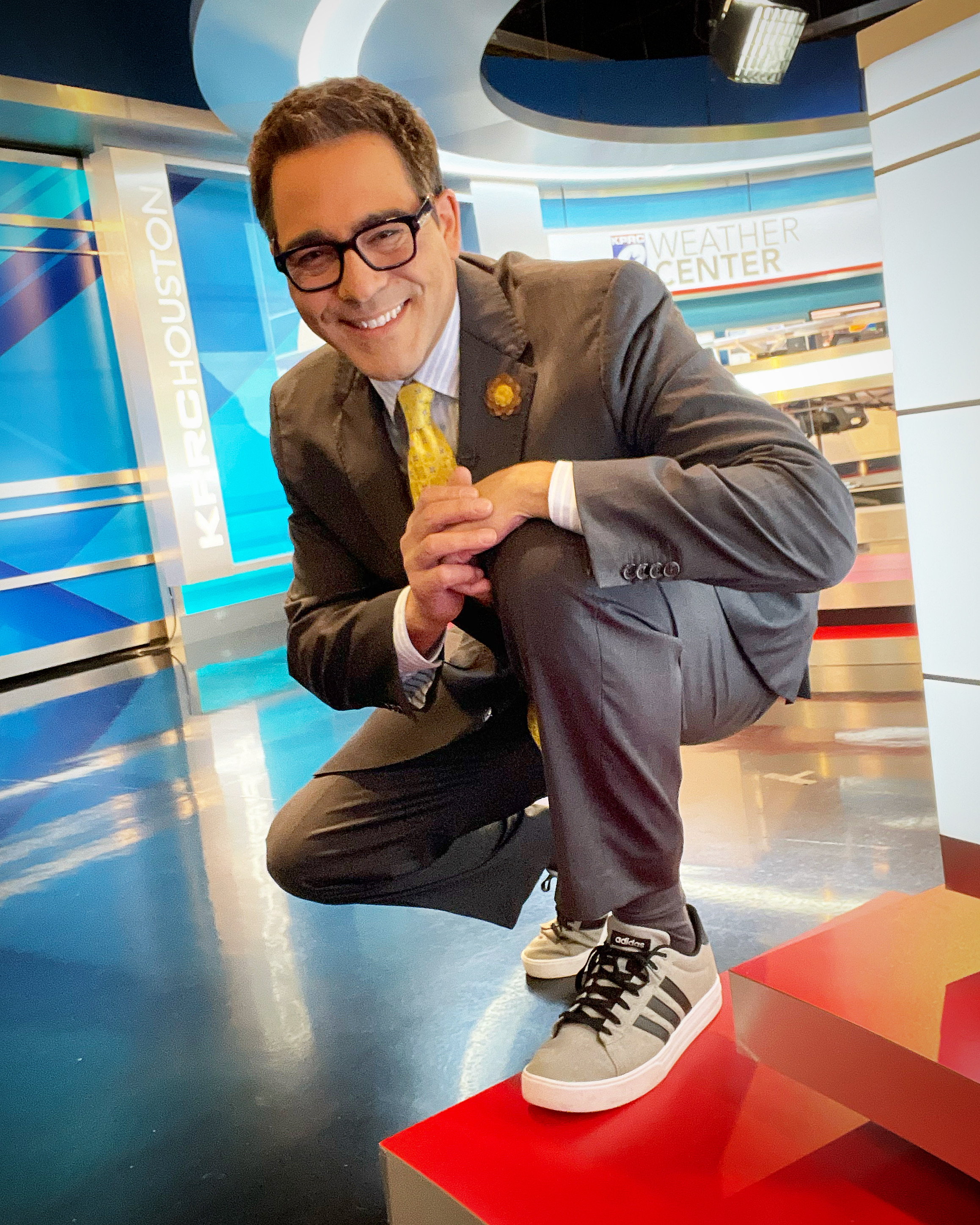
Why Winging It Fails: The On-Camera Coaching Perspective
Winging it works until the stakes get high. In a casual one-on-one conversation, improvisation is fine. But when you're in a boardroom presenting to a skeptical audience, giving a keynote to 500 people, or doing a live interview on a topic that could go sideways — the margin for error collapses. This is where on-camera coaching and a structured communication system becomes critical.
Under pressure, most people do one of three things: they over-explain, they hedge, or they ramble. All three are symptoms of the same problem: no clear structure going in. They haven't decided what the point is, so they circle around it hoping to land somewhere.
"Clarity isn't something you find in the moment. It's something you build before the moment — and then protect during it."
I learned this the hard way in my first few years anchoring live breaking news. When something was developing fast and I didn't have enough information, my instinct was to fill the silence with context. That's fine — until the context runs out and you're still live, and now you're just talking to avoid dead air. The best anchors I worked with had a different instinct: they knew exactly when to stop.
The Communications Framework I Teach
Whether I'm on-camera coaching an executive, preparing for a media interview, an executive presentation, or a client pitch, I use some version of this three-part communication structure. It's not complicated. Simple is the point.
1. The One Thing
Before any communication, I ask: if this person remembers one thing from this conversation, what should it be? Not three things. Not a list. One thing.
That one thing becomes the center of gravity for everything else. Every supporting point either reinforces it or doesn't belong. It also makes closing easy — because you know exactly what you're circling back to at the end.
Most people skip this step. They go into a conversation or presentation with a general topic instead of a specific point. The difference shows immediately.
2. The Evidence Layer
Once you have your one thing, you need two or three pieces of evidence that support it. These can be:
- A specific story or example from your own experience
- A data point that puts the idea in context
- A contrast — what happens when people don't do this
- An analogy that makes the abstract concrete
The mistake here is going too broad. You don't need ten supporting points. You need two or three that are specific and credible. More than that and you're diluting the message, not strengthening it.
3. The Transition Plan
This is the one most people forget. How are you going to move from your evidence back to your main point? And what's your actual closing line?
A lot of presentations and interviews end with a whimper — the speaker just kind of trails off and hopes someone else takes over. That's a missed opportunity. Endings are remembered. The last thing you say has outsized weight.
Write your closing line. Actually write it, word for word, before you go in. Then say it.
Communications Framework in Practice: Executive Media Interview Example
Here's a quick example from my on-camera coaching experience. Let's say you're an executive being asked by a reporter: "How is your company responding to the changes in the market?"
Without a framework, most people answer that question by listing everything they've done. They lead with the tactics. They sound defensive or scattered.
With the framework, you know your one thing before you open your mouth. Maybe it's: "We're focused on the long game while others are reacting to the short game." Now your response has a spine. You can give one specific example of what that looks like in practice, acknowledge the challenge without dwelling on it, and close by returning to the positioning.
Same question. Very different answer. The difference is the 15 minutes you spent before the interview deciding what you actually wanted to say.
The Bottom Line
You don't need to be a natural. You need a communication process. The process creates the clarity. The clarity creates the confidence. And the confidence is what people read as natural — this is what on-camera coaching teaches.
Most people are walking into high-stakes communication moments underprepared — not because they don't care, but because they haven't been taught a system. They think good communicators are just wired differently. They're not. They just built a habit out of preparation before most people thought it mattered. Whether you're doing on-camera work, executive presentations, or media interviews, the system is the same.
Build the habit early. Your future self in a tough room will thank you.